Pressure on the transportation sector is mounting rapidly. Rising diesel prices, geopolitical tensions, and the upcoming road toll are driving up costs and creating uncertainty within the logistics and transportation sectors. It therefore makes sense that the sector is fully committed to solutions such as electric trucks, hydrogen, and alternative fuels.
But this focus tells only part of the story.
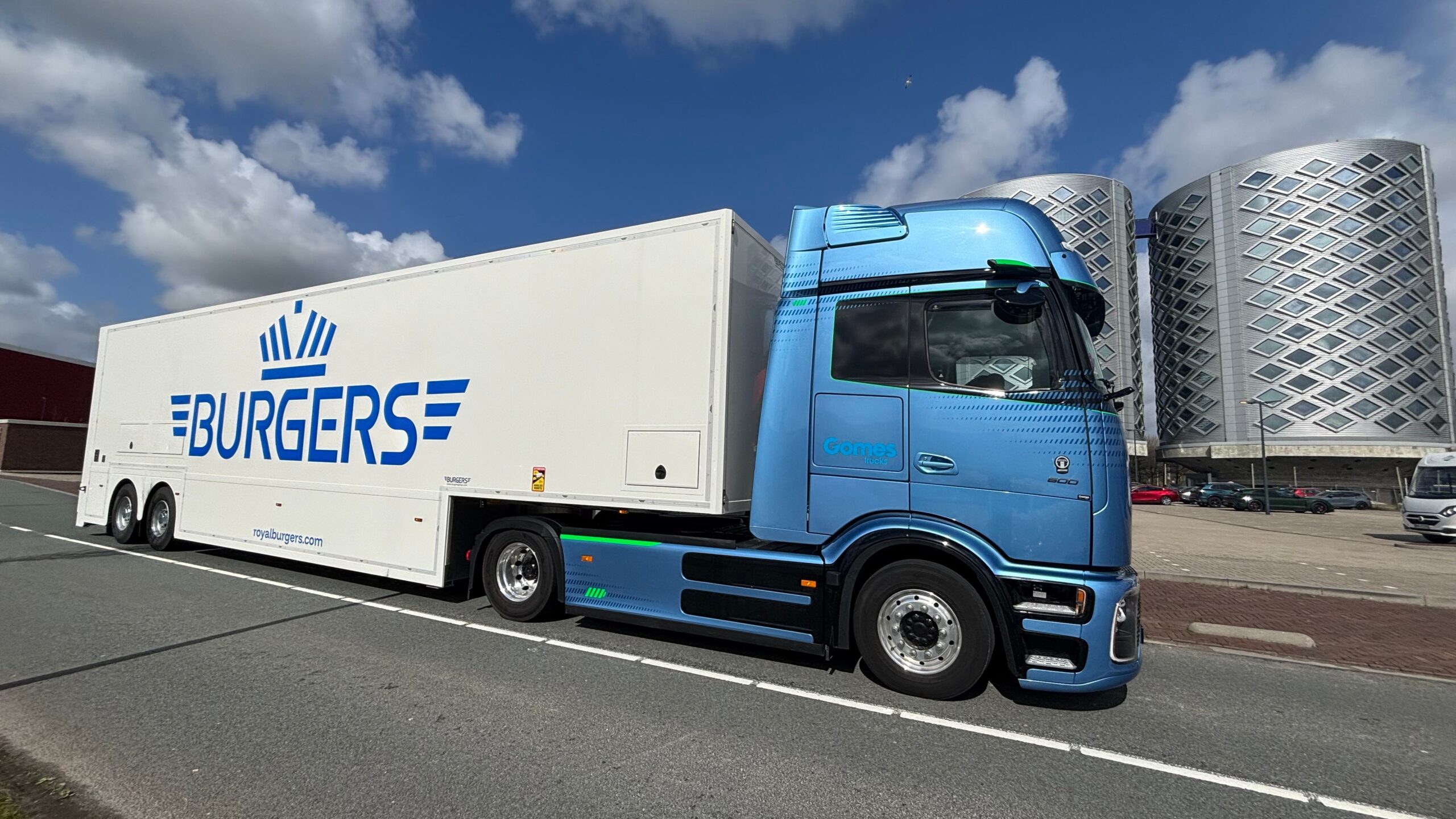
Almost all the attention is focused on the tractor-trailer, while there is still significant potential for efficiency gains at the rear—in the trailer. One of the most underrated solutions in transportation and logistics is load efficiency: transporting more volume per trip. It’s not about deploying more trucks, but about loading them more intelligently.
By increasing the load capacity per trip, fewer trips are needed to transport the same volume. This directly translates to lower fuel consumption per pallet, lower transportation costs, and a lower Total Cost of Ownership. At the same time, CO₂ emissions are reduced and reliance on drivers is decreased, which is becoming an increasingly significant challenge in today’s labor market.
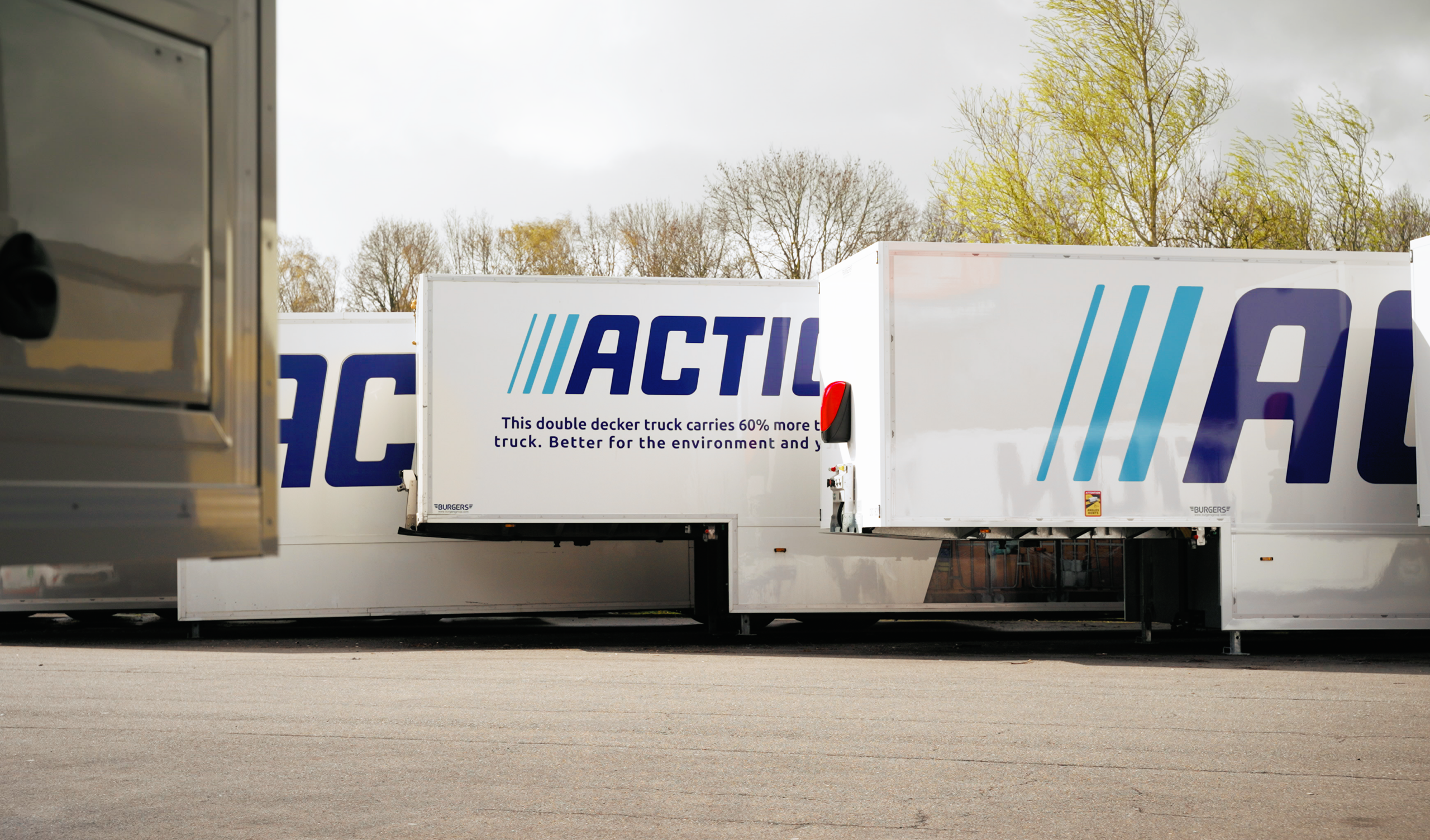
At a time when companies are being forced to both cut costs and become more sustainable, volume efficiency offers a solution that can be implemented today. Consider, for example, double-deck trailers, which can increase load capacity by up to 60 percent per trip without adding additional trucks.
The fuel debate is therefore valid, but too narrow. Anyone who truly wants to focus on costs, sustainability, and efficiency in the supply chain must look beyond fuel alone.
The real profit lies in volume efficiency.